
- Type II (decorative) vs Type III (hardcoat) — different thickness, different purpose
- Anodizing grows the surface: allowance must be machined in before coating
- Hardcoat anodizing shifts dimensions outward — ream bores before coating
- Masking and conductive areas must be called out on the drawing
What anodizing actually does
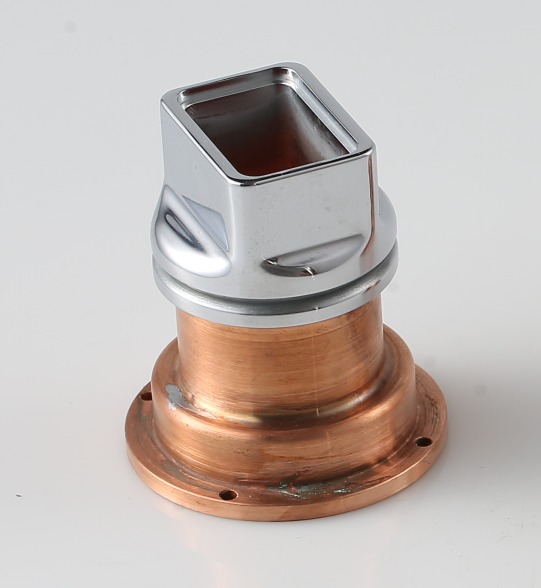
Anodizing converts the aluminum surface into a hard, porous oxide layer, then seals it. It is not a paint — it grows partly into and partly out of the metal. That is why an anodized part is not the same size as the part you sent: the coating adds thickness, and the amount depends on type and bath conditions.
Type II versus Type III

| Type II | Type III (hardcoat) | |
|---|---|---|
| Typical thickness | 5–25 µm | 25–100 µm |
| Purpose | Corrosion, color, appearance | Wear and abrasion resistance |
| Dimensional effect | Small | Measurable — plan for it |
| Color | Full range | Limited, darker |
The mistake to avoid is treating hardcoat as 'just a thicker color'. Hardcoat measurably shifts outside dimensions, and a bore can shrink beyond tolerance if it is not pre-reamed to compensate.
Specifying the coating so it comes back right
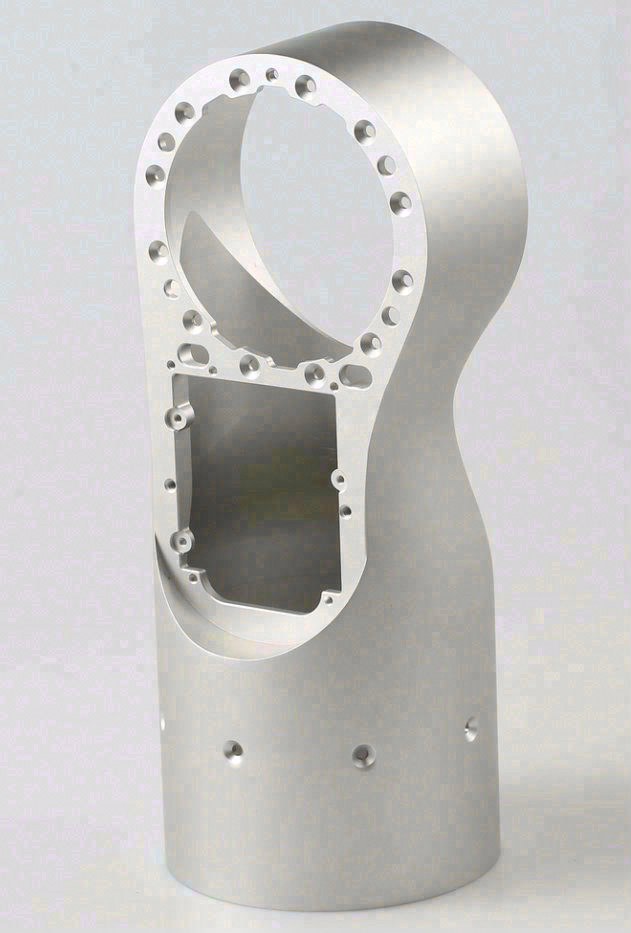
State the type, the target thickness, the color (or 'clear'), which surfaces are masked, and which areas must stay conductive. A bore that must press-fit a bearing needs a different call-out than a cosmetic face. The drawing is where the anodizer learns what you meant; a vague 'anodize black' leaves it to guess.
Why color varies between batches
Anodizing color depends on alloy, temper, and bath chemistry, and it is applied to an oxide that the base metal partly determines. Two batches of 6061 from different mills, or a 7075 part next to a 6061 part, can shift shade. If color is critical, specify a tolerance panel and match to it, and know that dyed Type III is always narrower than Type II.
Machining notes before coating
Sharp edges anodize thinner than flat faces — break edges where coating thickness matters. Threads grow into the coating, so allowance is needed. And because the oxide is an insulator, any area that must carry current or ground needs masking called out before the part ships.
Does anodizing change the dimensions?
Yes — the coating grows outward and slightly inward. Type II is usually negligible; Type III is not. We machine the allowance in before coating and hold the final size after.
Can I anodize 7075?
Yes, but 7075 is harder to color evenly and tends to darken; for a cosmetic colored part, 6061 is the safer alloy.
Aluminum CNC Machining — Related Pages
Specify type, thickness, color, masking and conductive areas, and we hold the finished size after coating.
Send a 3D file to [email protected] · +86 13126536955
Continue reading: Forged Aluminum CNC Parts · Aluminum CNC Machining · 3 Axis CNC Machined Parts
Standards referenced on this page
- ASTM B211/B211M-19 — Standard Specification for Aluminum-Alloy Rolled or Cold Finished Bar, Rod, and Wire
- ASTM A484/A484M-24 — Standard Specification for General Requirements for Stainless Steel Bars, Billets, and Forgings
- ISO 9001 — Quality management systems — Requirements